Landscape design of a garden plot with your own hands: helpful tips, 72 photos

The right style, zoning, and content—we provide clear instructions on how to plan the landscape of your summer cottage plot yourself.
Unlike an apartment, where you only need to think about the interior, a country house requires you to design the surrounding area as well. This raises many questions: how to divide it into zones, what to put where, which plants to choose, whether to plant a vegetable garden or a flower garden? In this article, we will look at how to plan the landscape design of a country house plot yourself, making it both convenient and beautiful.
Planning the design of a private house plot
Choosing a style
Before you think about the plot, you’ll need to understand how you imagine it. Some people dream of shaped shrubs, like in European parks; others prefer a natural landscape; and still others want to free themselves from as much gardening work as possible so they can relax at their country house. Among the variety of landscape styles, three main styles can be distinguished.
Regular

Choosing a style | Social media accounts of blogger Svetlana Dekunova
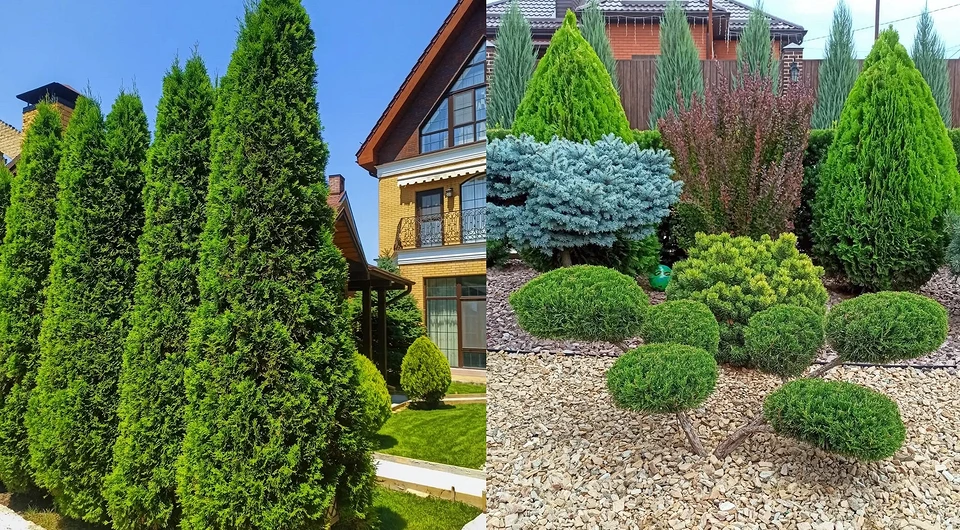
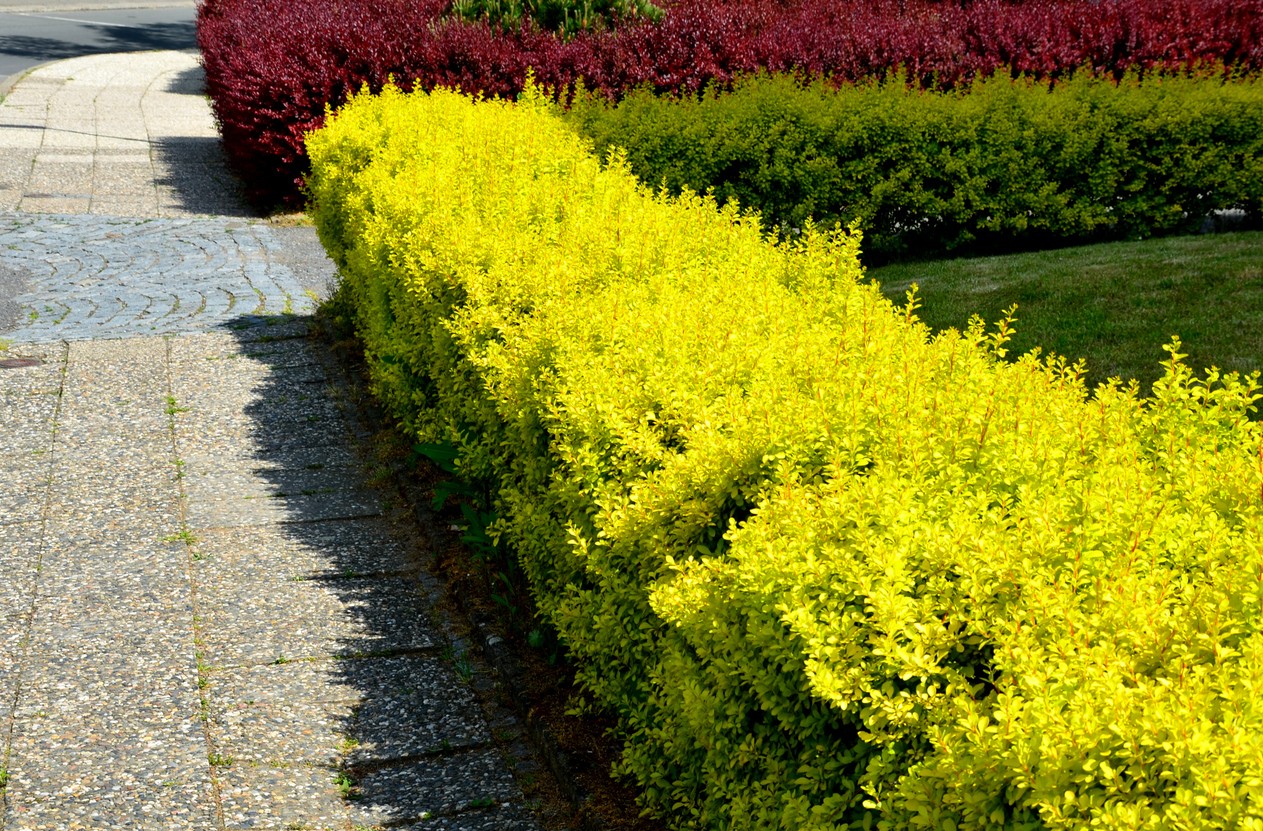
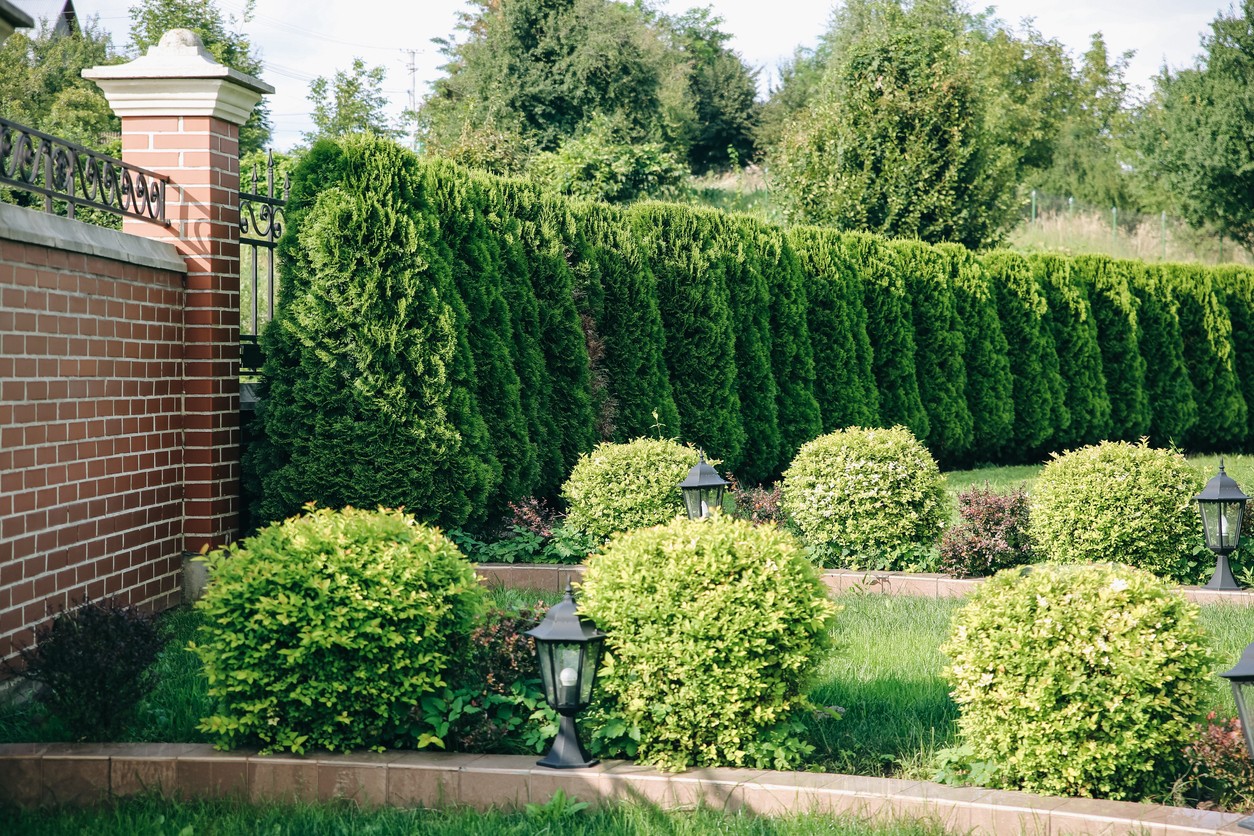
It is also called classical. These are the most austere forms, neatly trimmed shrubs and trees, sculptures — it is immediately apparent that human hands have shaped the landscape.
A regular garden is characterized by:
- Symmetry and a compositional center.
- Strict, complex forms — both of plants and decorative elements.
- Fountains or clearly defined ponds.
- Straight lines, paved paths.
- Light colors and an abundance of molded elements, primarily sculptures.
- Rounded gazebos with columns or carved decor.
- A perfectly flat lawn.
- Topiary plants complemented by beautiful flowers with rounded buds (peonies, roses, phlox, etc.).
In addition to the pure regular style, this trend also includes French gardens, Art Nouveau, and, in some cases, minimalism.


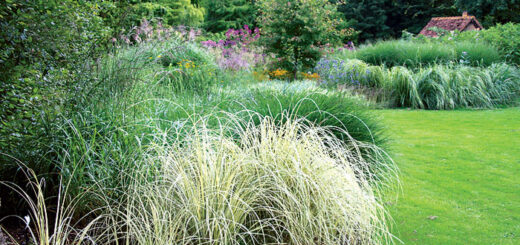
Landscape
Landscape style is the complete opposite of regular style. Here, the focus is on the landscape’s naturalness—hence the name.

Landscape | Social media accounts of blogger Natu Garden

The main markers of this style are:
- A natural landscape that may even look slightly neglected.
- The absence of strict symmetry and pronounced artificial forms.
- Instead of a lawn, ordinary grass can grow.
- The paths are long, winding, and surrounded by greenery.
- All buildings fit organically into the surrounding nature thanks to their simple design and climbing plants on the walls.
This style includes English, Alpine, modern, and country gardens.


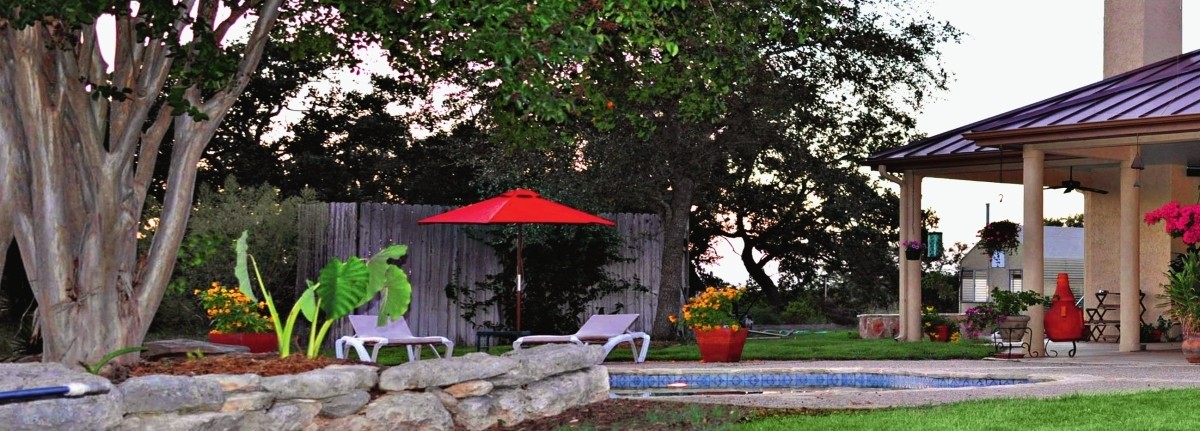
Exotic
Although this style is primarily associated with the East, it encompasses landscape design styles from distant countries: Japanese, Chinese, Islamic, Brazilian, Indian, etc.

Exotic | Social media accounts of blogger British Castel
This group also often includes eclectic authors’ projects that do not fit into any one particular style. There are no uniform rules or strict canons. Still, in general, this style is characterized by the use of natural materials, diverse decor, multi-tiered compositions, and, of course, exotic plants.




Design of a garden plot

Design of a garden plot | Social media accounts of blogger Daria Jameson

Once you have thought through the overall visual component of your garden, it’s time to move on to planning and drafting. Let’s take a look at the main stages.
Analysis of the territory
First, could you gather as much information as possible about your site: soil type, groundwater level, topography, lighting, etc. This knowledge will help you choose a starting point and narrow down your design options. For example, if the surface is hilly, this must be taken into account. The characteristics of the local soil will tell you which flowers and fruit crops are best to plant near the house and which to avoid. If the plot is flat and exposed to direct sunlight, you will need to provide shade, for example, with a high fence, a partition, or a canopy.

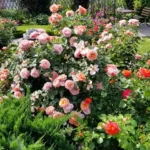



Plan
The next step is to draw a site plan with the exact dimensions and locations of existing buildings. You can do this using special landscape design software or simply by drawing it by hand on paper. The main thing is to maintain the scale.
Zoning
Finally, you can move on to planning all the areas you want to place on the property. Usually these are:
- Front entrance.
- Garden and/or vegetable garden (can be divided into several parts).
- Utility block.
- Recreation area.
- Play area, if there are children in the house.
Plan their placement based on the logic of life: for example, an outdoor dining table or barbecue area is best located closer to the kitchen exit. The playground should be visible from all sides. The utility block should be located in the back of the garden, next to the main plantings.
Then add specific details to the plan: gazebos, greenhouses, decorative ponds, paths, and even flower beds. The more clearly you plan every detail, the easier it will be to implement your ideas later. Beautiful examples of DIY landscape design for a summer cottage are shown in the photo below.


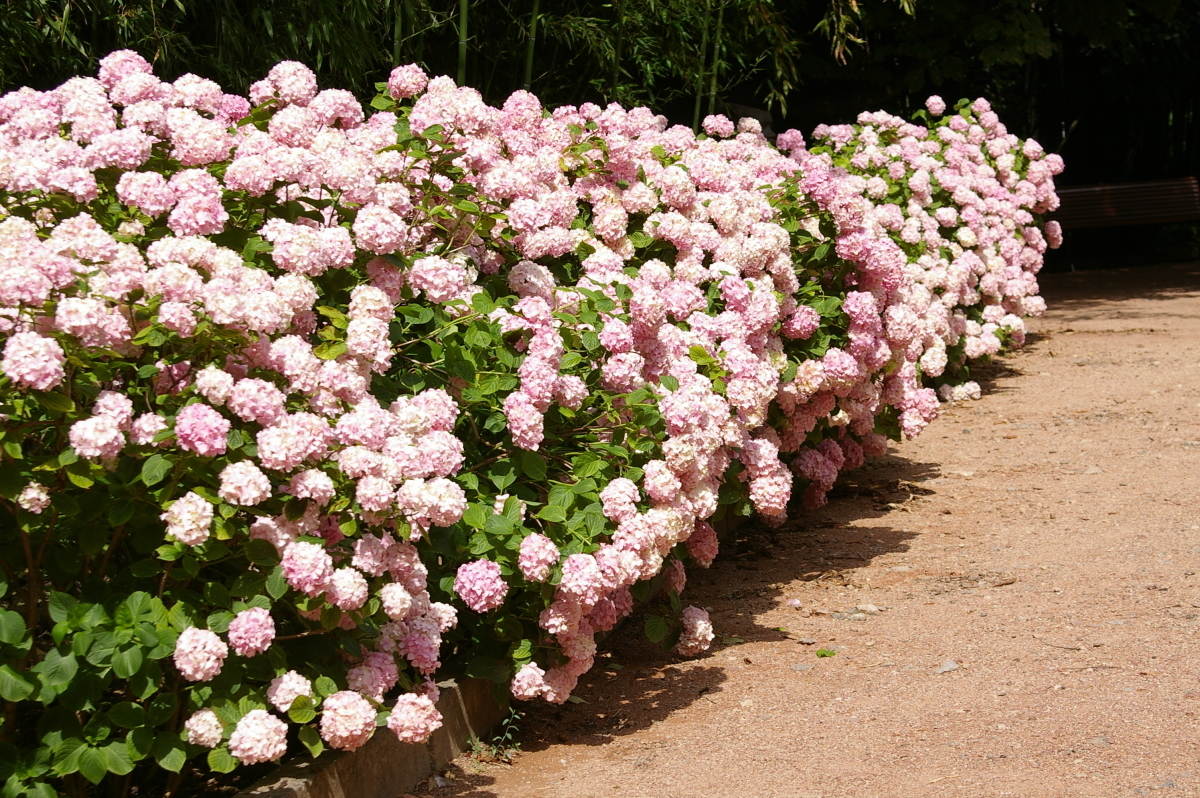
Landscaping
Plants occupy most of the area around the house. Let’s take a look at the main landscaping features and show some beautiful DIY garden design ideas in the photo gallery below.
Lawn
Simple weeds growing randomly look unattractive and do not fit in, even with a landscape style.

Lawn | Social media accounts of blogger Gentans Tredgord
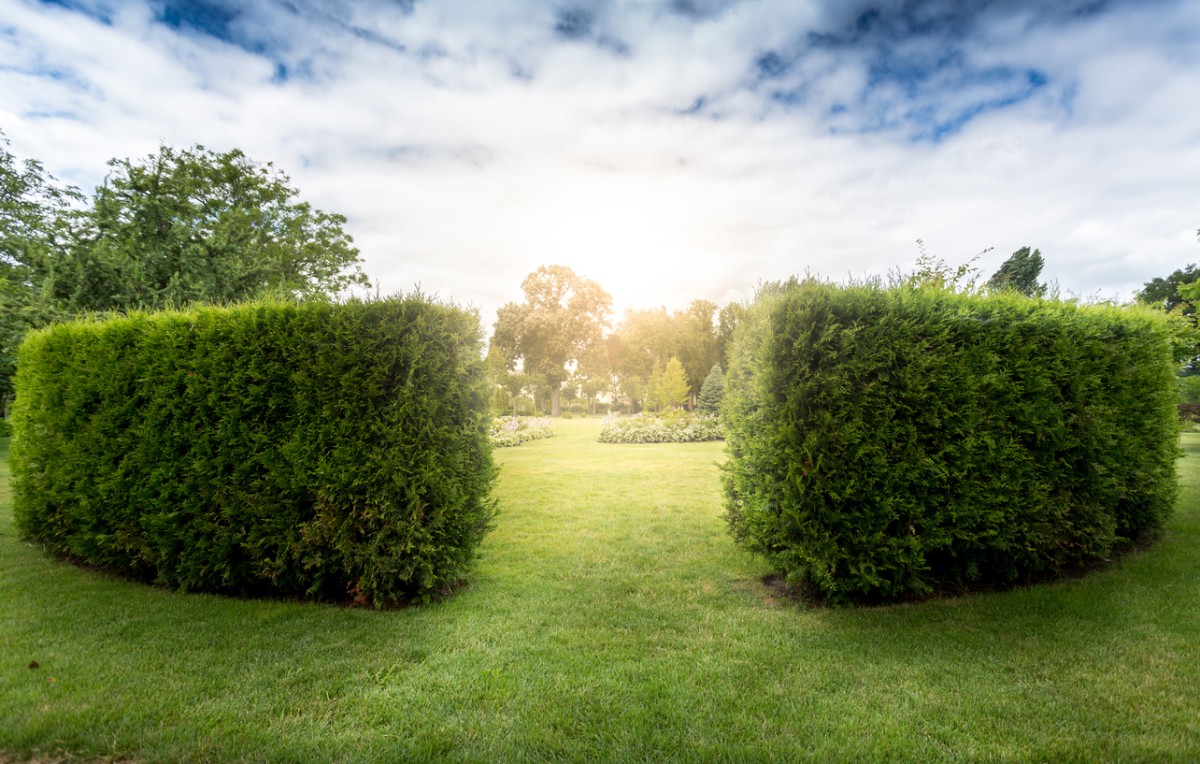
To make the plot look cozy and stylish, it needs to be seeded with grass — it can be either neatly trimmed or more natural. This is a key element of the landscape that sets the overall style, fills the space, and connects other objects. As a rule, different plants are added to it, but if you have a modern private house and a minimalist landscape, grass may be the only natural covering. It will also be convenient to set up a recreation area, a playground with swings, a sunbathing area, etc., on the lawn.
The sowing process is not complicated: the ground must be cleared of any debris, if any, dug up and leveled, and then the seeds must be placed in the soil. Could you please sprinkle a small amount of soil on top of them so that birds do not carry away the seeds and sprouts.


Flower garden
Almost every plot has at least a few flowers. The space for them can be organized in different ways: from a couple of planters to a greenhouse or a spacious front garden.

Flower garden | Social media accounts of blogger Elizaveta Baranova
The most popular way to arrange flowers on the territory is to make flower beds. There are several basic types:
- Regular — the flower garden has a strict, clearly defined shape. The boundaries between the flower beds are clearly visible, and all the plants bloom at approximately the same time.
- Natural — flowers are planted in small groups and may bloom at different times. The boundaries between the flower beds are not always clear.
- Monocultures — the entire flower garden is filled with plants of the same species. They can be either the same or different in color.
- Alpine — the flora grows in its natural form and imitates mountain meadows.
- Raised — the structure is fixed above ground level, for example, on a special stand. This option is suitable for any plants, including climbing ones.


Vertical
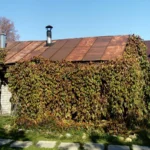
Walls, fences, and special trellises covered with climbing branches are also part of the landscape.

Vertical | Social media accounts of blogger Elizaveta Baranova
Such natural decor always looks very organic in the overall picture of the garden, masks unsightly elements, and visually connects nature with artificial structures. Any climbing plants are suitable for vertical gardening: spathiphyllum, hops, sweet peas, peperomia, maiden grapes, lemongrass, climbing roses, etc.




Decor
While greenery itself helps you relax and forget the city’s hustle and bustle, it doesn’t hurt to decorate the area a little more.

Decor | Pexels
All garden decor can be divided into two large groups:
- Natural. This is everything that nature itself provides: for example, stones, ponds, stumps, vines, branches, straw, etc. This does not mean they should be scattered here and there in a chaotic manner—they can and should be structured, placed in the right places, and arranged in some way. For example, small stones of similar size can be used to fence off a flower bed or barbecue area. Place a couple of flower pots on a stump. Make a beautiful decorative fence from branches, vines, and other materials.
- Artificial. This group includes any decorations created: garden figurines, watering cans, arches and screens, statues, flower pots, garlands (which also provide additional lighting), etc. Almost any object can be used as a decoration: from rubber boots and dishes to old boxes. The only limitation is your imagination.
When choosing decorations, be guided first and foremost by the overall style of your site. Remember that there should not be too many decorations: after all, the site is living nature. Small details should complement the natural beauty of the surroundings, not overwhelm it.


❓ Questions and answers

How do I choose a landscape style that fits my garden?
Think about your personal taste and how you’ll use the space. Options range from formal and structured to natural and flowing — your style will guide plant selection, hardscaping, and decoration.
Do I need professional help, or can I do it myself?
You can absolutely design and build your own garden, but complex elements like patios or irrigation systems might benefit from professional help. Prioritize what you enjoy doing yourself and consider expert help for big builds.
How should I place plants and other features for the best effect?
Group plants in masses or layers to create depth and visual interest. Use focal points like paths, seating, or water features to anchor the design, and choose materials and plants suited to your local climate and soil.
How do I keep the garden looking good year-round?
Plan for seasonal interest by choosing plants with different bloom times and foliage textures. Incorporate structures like pergolas or hardscaping so your garden still feels intentional even when some plants are dormant.
Arthur Lansley: Certified arborist with 15 years of experience. Specialist in trees, shrubs, and landscape design. I can help you choose, plant, and maintain your trees.