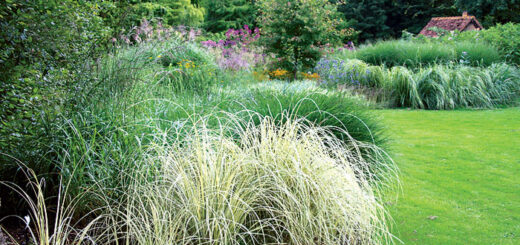
From herbs and spices: 7 ways to grow a lush and simple flower bed at your summer cottage

We explain how to combine and where to plant herbs if you decide to start a mini culinary garden.
Fragrant herbs are not only suitable for summer dishes but also add delightful scents to the garden. Growing a herb garden is not difficult. They do not require more care than other garden plants, and they are very beneficial.
1. Combine only edible plants
You can set aside a spot for a flower bed where only herbs will grow. All plants must be edible or, at least, safe. After all, when it comes to overgrown bushes and mixed shoots, you may not notice or pick something harmful or poisonous along with the greens for soup. Also, pay attention to whether the plant variety you have planted is edible (there are both edible and non-edible varieties, for example, of thyme). Carefully weed this area of the garden and do not allow foreign plants to grow.


2. Plant in pots or boxes
Herbs do not necessarily have to be planted in open ground: this is a long, laborious task, and not everyone can transplant a plant correctly, so it feels comfortable. Plants in pots can be a solution to this problem. Don’t transplant them; arrange and group them to create a beautiful, lush flower bed. The advantage of this method is that you can rearrange or bring the pot you need into the house at any time.

3. Fill in the gaps with herbs
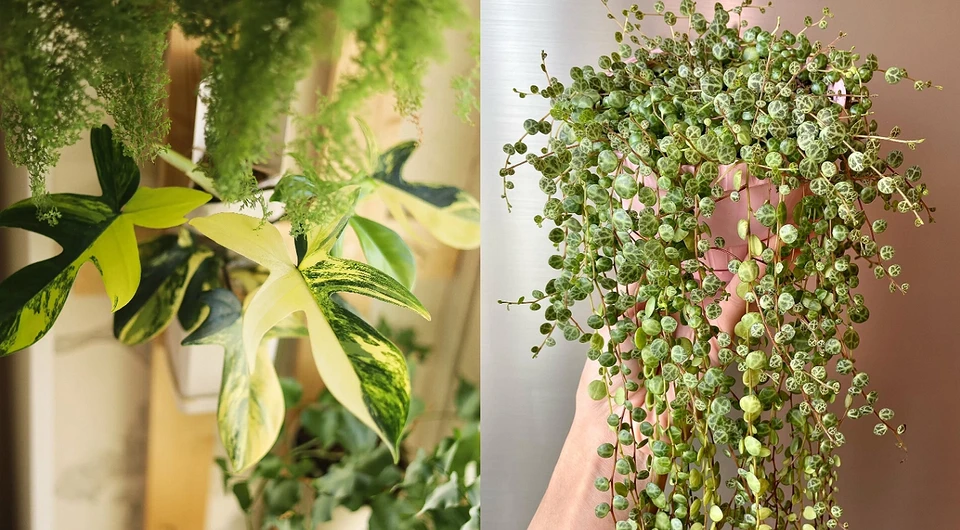
To make your garden look cohesive, avoid “bald spots” between flower beds. You can fill them with fragrant herbs. Arrange the herb beds to fill the landscape harmoniously. This will create beautiful flower beds that will fill the garden with an incredible aroma and bring not only aesthetic pleasure but also practical benefits.

4. Combine plants based on their appearance
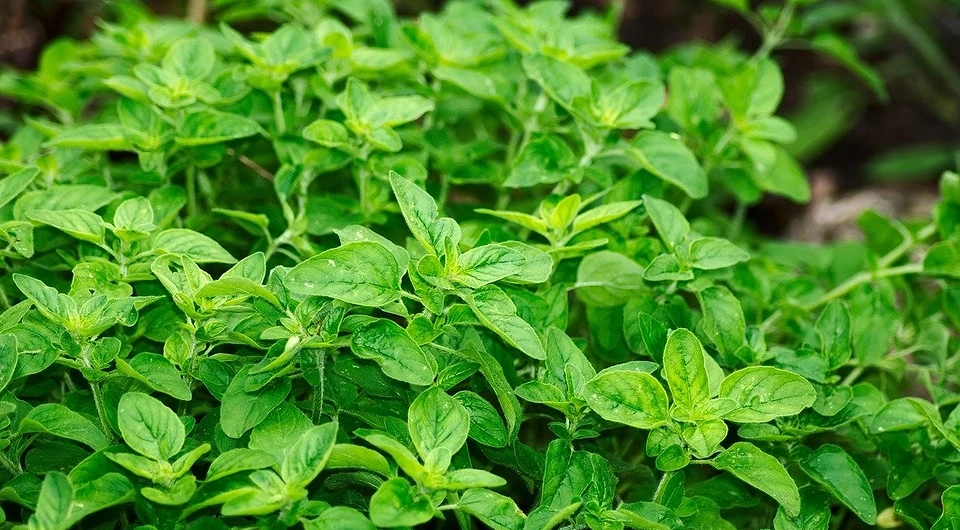
There are two ways to create a beautiful herb garden. The first is to combine completely different varieties in terms of height, width, and leaves to create a natural landscape. Naturalistic flower beds are currently in vogue, and if you want to update your garden, you can use this technique.
The second way is to do the opposite and create a perfectly balanced geometric composition. In this case, plants should be selected according to size, height, and flowering ability (flowering and non-flowering separately). Geometrically correct flower beds will make the garden look neater.


5. Set aside a special place in the garden
It is best to place the herb bed in an easy-to-reach location. It should be easy to do this in any weather: rain or slush. Beds in hard-to-reach areas will be useless, because you may need spices for a dish at any time.


6. Use the space on your porch
If there is no room left in the garden for a herb bed, use your porch. You can set up a corner for greenery and arrange herbs in pots or boxes. It is also worth using the stairs and placing pots on either side of each step.


7. Do not plant annual and perennial varieties next to each other
Herbs, like other plants, can be annual or perennial. Can you combine either one with the other? You can create several flower beds or divide one flower bed into zones, planting different varieties in each. It is inconvenient to sow them together: when the annuals bloom, bald spots will appear, and they will need to be filled with something. It is challenging to plant small herb bushes in these places in an attractive way.


❓ Questions and answers

Can I grow herbs and flowers together?
Yes! Filling gaps between flowers with fragrant herbs not only makes beds look fuller, but it also adds scent and practical benefits for cooking or pollinators.
Do I need to plant annual and perennial herbs together?
It’s usually better to plant annuals and perennials in separate zones so the annuals don’t leave bald spots when they finish blooming.
Can I create a flower bed without digging into the ground?
Absolutely — using pots or boxes lets you arrange plants easily and move them as needed, especially if you’re limited on space.
Where should I place my flower bed for best results?
Choose an easy-to-reach, sunny spot in your garden, or use porch space if your lawn is small.
Sofia Lorenson: An expert in floriculture and floristry with 10 years of experience. I will help you create the garden of your dreams, which will bloom from spring to fall.