7 spices you can grow in your garden
Basil, thyme, and coriander — we tell you which spices are worth growing at your dacha this season, instead of buying them in the store.
1. Allspice
Allspice can be grown at home. The main thing is to plant it correctly and not forget to care for it. To start, buy a packet of peppercorns from the spice section of your local store. Select the largest peppercorns and place them in a suitable container, then cover them with water. After a day, the seeds can be planted in the ground, and the first shoots will appear in a month. The best time to grow them is in early summer.
First, the peppers are germinated at home and then transferred to the garden. Keep the pot with the sprouts in a warm place — the air temperature should not be below 77°F (25°C). While the seeds have not yet sprouted, water the soil regularly. When the first leaves appear, the peppers will need to be transplanted. For the plant to grow well, it needs space — each sprout should be at least a couple of centimeters apart.

2. Basil
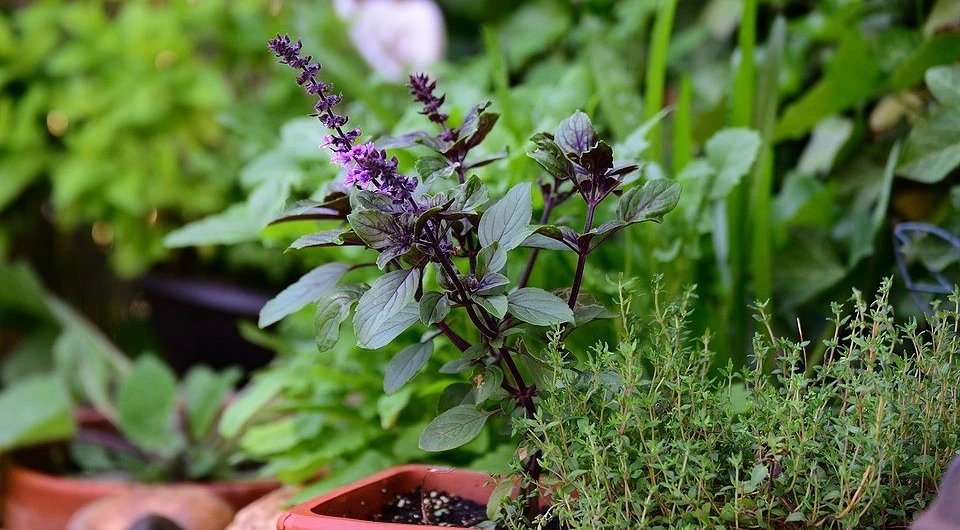
Basil is a southern plant, but it has successfully adapted to the climate of middle latitudes. Different varieties of this spice have their own aromas: from lemon to menthol. For the plant to take root in the garden, you first need to grow seedlings at home. Only after warm weather has set in should you plant them in open ground. The seedlings should have at least a few leaves. Since this is a heat-loving spice, you can place it in a sunny spot in the garden, away from drafts and shade.


3. Oregano
Oregano is an excellent addition to meat dishes, and you can also grow it on your own plot. It is a perennial, meaning you can harvest herbs for several seasons after planting. It is best to prepare seedlings before the start of the season, but you can also plant seeds directly into open ground. The first option is more reliable, as seedlings that have already grown develop more steadily and survive better. Avoid waterlogging and drying out the soil, and do not plant the spice in the shade or in a draft.


4. Cumin
A very aromatic spice used in baking and pickling. Cumin can be bought in a store, but it is even better to grow it in your own garden, because then the quality of the spice will be beyond doubt. Cumin is undemanding and grows well even in frost (and begins to germinate at 50°F (+ 10 °C)). It is usually planted before winter so that the first shoots appear in early spring, but you can also plant it now. Cumin does not like high humidity, so it is better to choose a sunny spot for planting.


5. Coriander
This is an undemanding plant, so even a beginner can plant and grow it. Coriander tolerates both frost and drought well, feels good in partial shade, but loves the sun most of all. The spice takes quite a long time to germinate, so it is best to prepare the seeds at home in advance and then transfer them to the soil. Before planting, place them between two layers of damp gauze and leave them in a warm place for a while.

6. Thyme
Thyme, also known as savory, is added to drinks and various dishes. The spice grows best in a sunny spot, but it also does well in partial shade. Do not allow the soil to become waterlogged; otherwise, the plant may become diseased. Loosen the soil and provide drainage — thyme likes light soil. To keep the plant healthy, prune it regularly and remove dead flowers.


7. Chili
This is a tropical spice, but with some effort, it can be grown in the middle latitudes. Chili thrives in the same conditions as bell peppers so that they can be planted next to each other. The ideal location is a quiet, sunny spot. Please don’t forget to water the peppers regularly, protect them from drafts, and cover them with plastic wrap if needed. Please don’t let water get on the leaves, and protect the plant from direct sunlight to prevent burning.


❓ Questions and answers

What’s the difference between growing herbs and spices?
Herbs are usually leafy plants (like oregano or thyme) harvested fresh or dried, while spices often come from seeds, berries, or other plant parts (like chili or cumin seeds). Both can be grown at home, but harvesting methods may differ.
Do I need special soil or tools to grow these spices?
No special tools are required! Most spices grow well in well-draining soil, with regular watering and in a sunny spot. For some spices like thyme or oregano, well-drained, slightly lean soil works best.
Can I dry and store the spices I grow?
Absolutely! After harvesting, let seeds or leaves dry completely before storing them in airtight containers. This way, you’ll enjoy your homegrown spices year-round.
How long does it take for spice plants to be ready?
It varies: fast-growing spices like basil or coriander may be ready within a couple of months, while plants grown for seeds (like cumin) may take longer to mature. Could you check specific planting timelines for each spice?
Hi, I’m Ben Carter!
I’m a certified organic vegetable specialist with over 12 years of experience. I grew up on a farm in Iowa and have helped hundreds of gardeners grow bountiful harvests without unnecessary chemicals. On this site, I share my proven methods. If you have any questions, leave them in the comments!