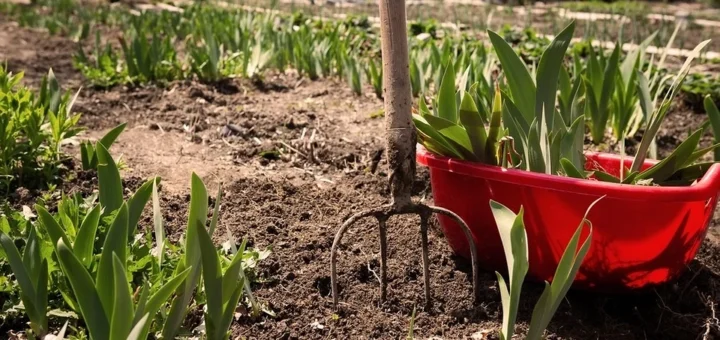
Irises: A Complete Guide to Growing Beautiful Iris Flowers
With their elegant, architectural blooms and incredible variety, irises are a cornerstone of the perennial garden. From the classic, stately Bearded Iris to the delicate, grass-like Siberian Iris, there’s a type to captivate every gardener. This comprehensive guide unlocks the secrets to successfully planting, growing, and caring for irises, ensuring a spectacular display of color season after season.
Popular Iris Types: Choosing the Right Iris for Your Garden
Not all irises are the same! Understanding the main types helps you choose the perfect fit.
Bearded Iris: The most popular type, known for its fuzzy “beard” on the falls. They thrive in full sun and need well-draining soil.
Siberian Iris: Clump-forming with graceful, grass-like foliage and delicate flowers. They are more tolerant of moist soil than bearded varieties.
Japanese Iris: Boasts large, flat, and ornate blooms. They love consistently moist, even wet, soil and are perfect for pond edges.
Dutch Iris: Excellent as cut flowers, grown from bulbs. They bloom in late spring and are great for naturalizing.
How to Plant Irises for Maximum Blooms
The key to success starts with proper planting.
When to Plant: The ideal time is late summer through early fall, allowing roots to establish before winter.
Sunlight Needs: Most irises require at least 6-8 hours of direct sun daily for abundant blooms.
Soil & Drainage: Well-draining soil is critical, especially for bearded irises. Raised beds are an excellent option for heavy clay soil.
Planting Depth: This is crucial! For bearded irises, the rhizome should be partially exposed at the soil surface. Other types are planted slightly deeper.
Essential Iris Care: Watering, Fertilizing, and Maintenance
Keep your irises healthy and vigorous with simple, ongoing care.
Watering: Water deeply after planting. Established irises are relatively drought-tolerant but benefit from weekly watering during bud formation and bloom.
Fertilizing: Feed in early spring and again a month after blooming with a low-nitrogen, balanced fertilizer.
Deadheading: Remove spent flower stalks to keep the plant looking tidy and prevent seed formation.
Fall Cleanup: Cut back foliage in the fall to reduce the risk of pests and diseases.
Dividing Irises: How to Keep Them Healthy and Prolific
Irises need to be divided every 3-5 years to maintain vigor and blooming.
When to Divide: The best time is 6-8 weeks after flowering, typically in mid-to-late summer.
The Process: Lift the clump with a garden fork, cut the foliage back, and separate healthy, firm rhizomes. Discard any old, diseased, or soft sections.
Replanting: Replant only the healthy divisions, ensuring the rhizome is exposed, and water well.
Irises are remarkably resilient and rewarding plants. By providing them with the right conditions—especially plenty of sun and excellent drainage—you’ll be gifted with their stunning beauty for years to come. Whether you’re a beginner or a seasoned expert, there’s always more to learn about these captivating flowers. Explore our articles below for in-depth guides on specific iris types, pest control, and design ideas.