
8 fertilizers that need to be applied to the soil right now

We have compiled a list of soil fertilization options for spring suitable for almost all garden and vegetable garden residents. Please take note of them and start using them right away.
In spring, it is essential to feed the soil so that new plants get enough nutrients. Even if you applied fertilizer back in the fall, additional feeding will not be superfluous.
1. Urea
After winter dormancy, plants actively grow greenery, and nitrogen is necessary for its formation. That is why in spring, you should first apply fertilizers containing this element. One of the most popular nitrogen fertilizers is urea. Plants love it, and it is well-suited for all soil types. When applying urea, it is essential to thoroughly water the plant so the nutrients are more readily absorbed. In spring, this type of fertilizer is usually used among the first and is not mixed with others. It can also be used to prevent sanitary pests and microorganisms.


2. Compost
A simple, inexpensive fertilizer rich in nitrogen can be made yourself from weeds or food waste. In spring, compost makes the soil lighter and provides oxygen to the roots. This is important for the growth and development of new seedlings, which need to be saturated with both nutrients and oxygen. Compost can be used for both open ground and greenhouses: at the beginning of the gardening season, when new plants appear in the greenhouse, the soil in it must be saturated with useful microelements.
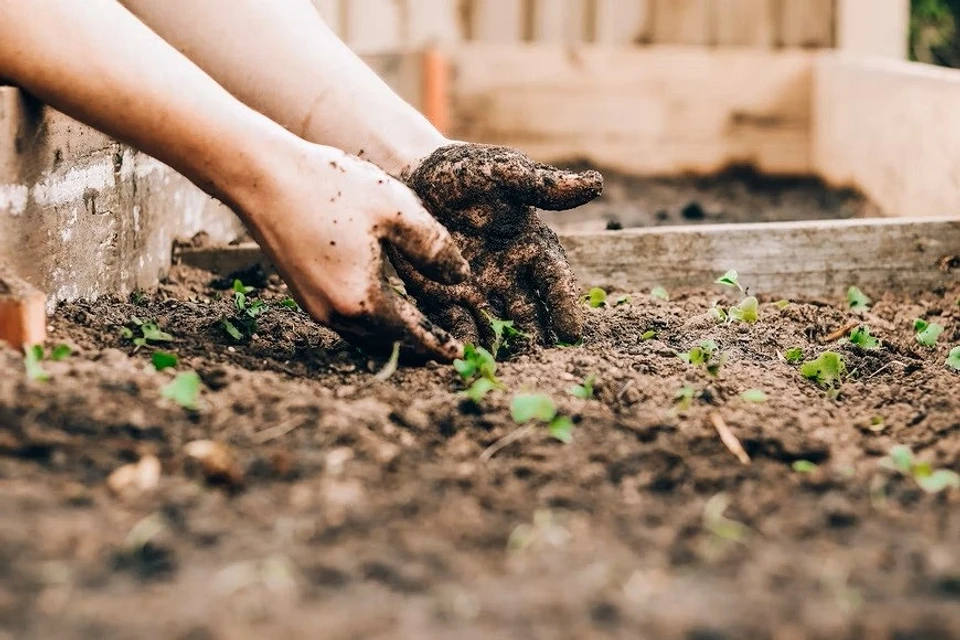

3. Superphosphate
To develop harmoniously, plants need to receive sufficient amounts of not only nitrogen compounds but also other minerals. Among them is phosphorus, which strongly influences root growth. This is very important for young plants, as this is how they feed. The more developed the rhizomes are, the more active growth and fruit formation will be. In addition to the main element (phosphorus), superphosphate also contains other substances. These are usually nitrogen, gypsum, sulfur, boron, and molybdenum. All of them benefit garden crops. When fertilizing with superphosphate, it is essential to know the appropriate combinations with other types of fertilizers. For example, it cannot be applied together with urea or lime — you must wait at least a week between applications. However, combining it with compost is allowed and even encouraged.
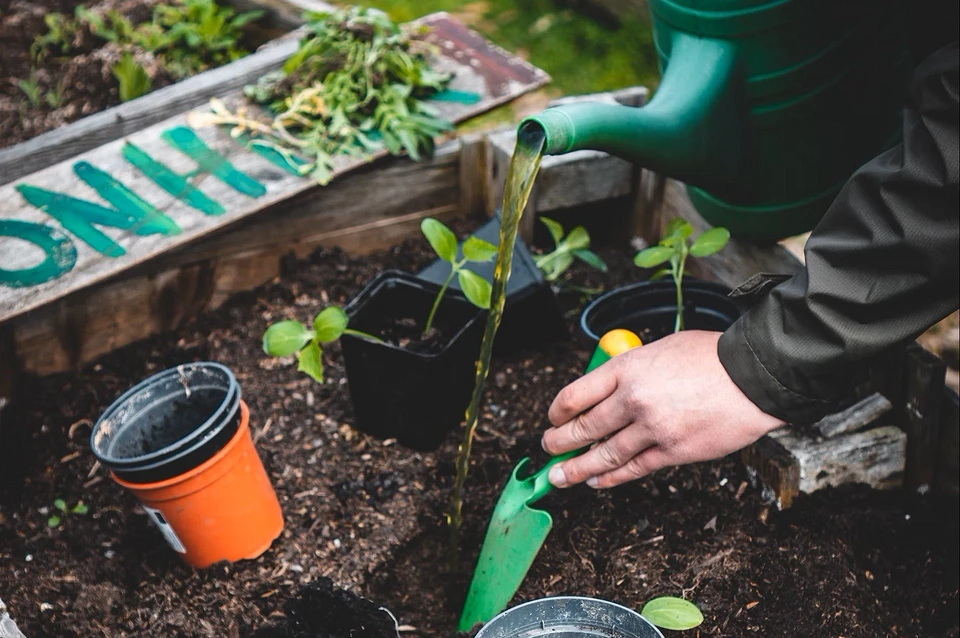

4. Potassium sulfate
Potassium is another essential micronutrient that plants need. It strengthens seedlings, helping them to withstand temperature fluctuations and various pests. In addition, potassium improves the absorption of other fertilizers, such as nitrogen (but it cannot be used simultaneously with urea). Potassium fertilizer is applied during spring soil cultivation. The granules can be dissolved in water. If you are fertilizing with a dry mixture, you need to water the soil well afterwards. This type of fertilizer is used for acidic soil to restore the alkaline balance.
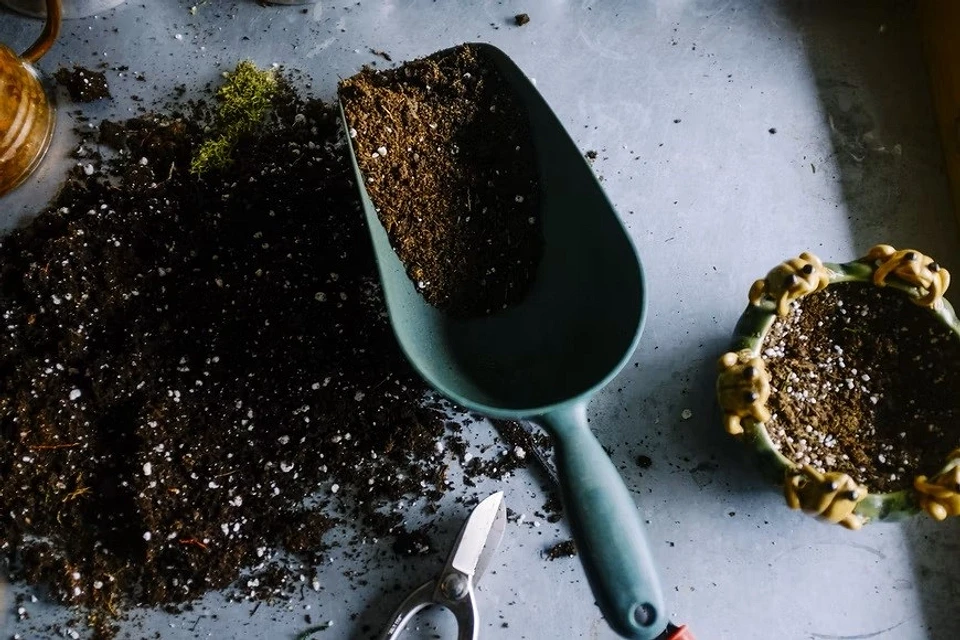

5. Humate
Humate is a universal growth accelerator for garden crops. There are different types of this fertilizer, but they all aim to stimulate the activity of soil microorganisms responsible for seedling growth and development. Humates work well when transplanting seedlings into open ground. This feeding significantly strengthens the root system, and the seedling takes root better. Trees can also be treated with this fertilizer when they are just beginning to bloom. When preparing the solution, it is essential to follow the instructions strictly; otherwise, there is a risk of damaging the plant. Humates can be combined with different types of fertilizers, including nitrogen and potassium, but phosphorus is best applied separately after some time.

6. Mineral mixture
If you don’t want to calculate each fertilizer separately, buy a mineral complex that has already been selected as a successful combination. There are special spring combination fertilizers, such as azophoska, nitrophoska, and ammophoska. As a rule, they contain equal proportions of nitrogen, potassium, and phosphorus. Nitrophoska also contains magnesium.

7. Diluted cow manure
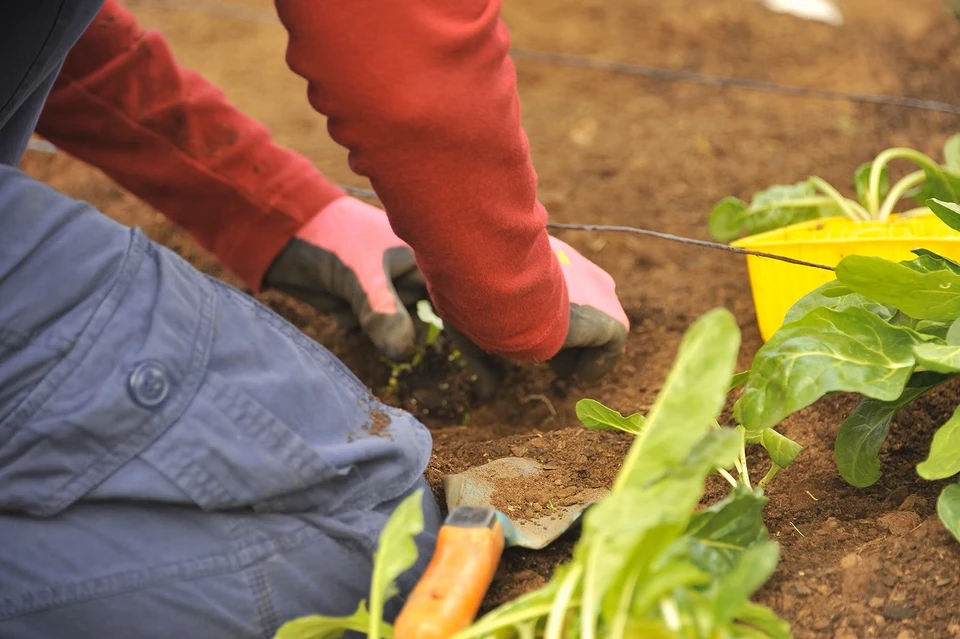
Cow manure is also suitable for spring soil fertilization. However, it cannot be used in its pure form — it must be diluted with sufficient water. Cow manure increases plant yields and strengthens plants, helping them resist pests. Garden crops absorb natural fertilizers more effectively than artificial fertilizers.

8. Ammonium nitrate
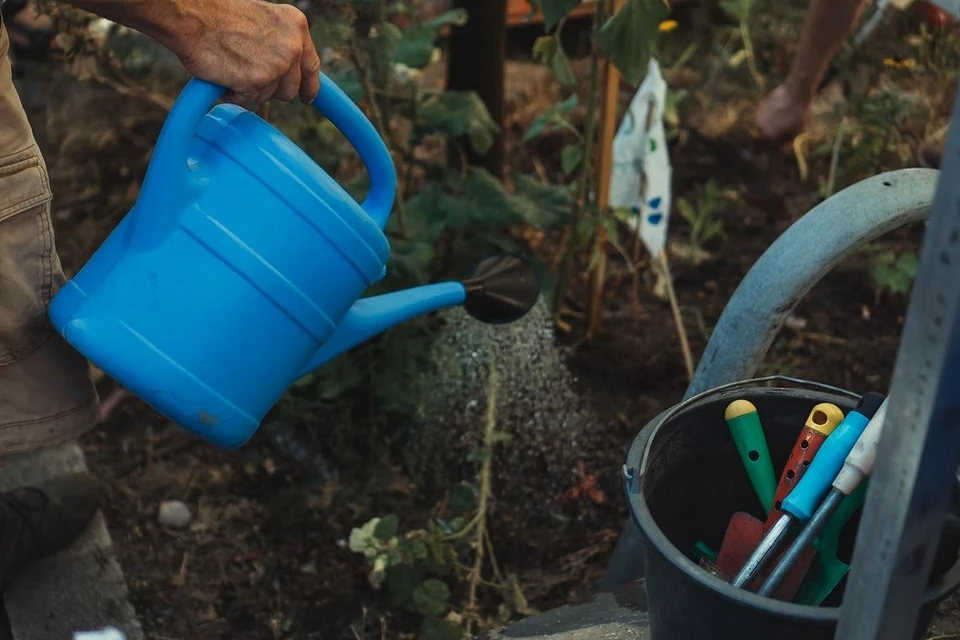
This fertilizer contains a large amount of nitrogen and sulfur, which helps it be better absorbed. Ammonium nitrate is sold in granules. It can be used in diluted or dry form, then water the soil abundantly.

❓ Questions and answers

What types of fertilizers are best for spring application?
Common spring fertilizers include nitrogen sources like urea and ammonium nitrate for leafy growth, organic matter like compost, phosphorus boosters for roots, and balanced mineral mixes with N-P-K nutrients.
How do I know how much fertilizer to apply?
It’s best to test your soil first — a soil test tells you what nutrients are lacking and prevents over-fertilizing. Follow package directions and adjust rates based on plant type and size.
Can I use organic options instead of synthetic fertilizers?
Yes! Organic options like compost improve soil structure and feed beneficial microbes, while fish emulsion and manure add nutrients naturally. These are great for sustainable, eco-friendly gardens.
What mistakes should I avoid when fertilizing?
Avoid over-fertilization (which can “burn” plants), fertilizing on wet days (nutrients can wash away), or applying without knowing your soil’s needs. Timing and correct doses matter for healthy results.
Hi, I’m Ben Carter!
I’m a certified organic vegetable specialist with over 12 years of experience. I grew up on a farm in Iowa and have helped hundreds of gardeners grow bountiful harvests without unnecessary chemicals. On this site, I share my proven methods. If you have any questions, leave them in the comments!