
Pruning roses in autumn: timing, diagrams for 7 different types, rules and tips
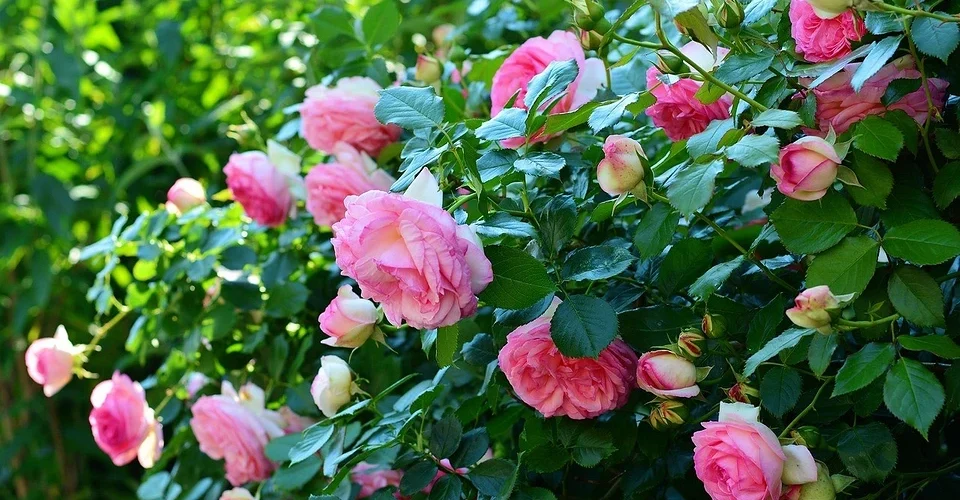
We explain why rose bushes need to be pruned before winter and how to do it correctly. We offer detailed pruning instructions for various rose types.
Rose bushes are capricious: they need proper care to bloom profusely and for a long time. This involves not only feeding and watering, but also pruning roses at the right time and in the right way in the fall. Not all flower growers, even those with experience in growing flowers, know how to do this correctly. Let’s take a detailed look at all the intricacies of the procedure.
All about autumn pruning of roses
Why do rose bushes need to be pruned in autumn
Autumn pruning is carried out for several reasons.
- Air flows freely through the thinned shrubbery. This reduces the risk of overwatering and fungal and other diseases.
- Removing old shoots stimulates the formation of new buds and buds. Therefore, flowering will be abundant next year.
- Bushes after pruning tolerate winter better.
- Removing excess branches promotes an even distribution of nutrients among the remaining shoots and stimulates active vegetation in the spring.
In addition, it is believed that pruned bushes are stronger and therefore less susceptible to pests or diseases.

Why do rose bushes need to be pruned in autumn | Pixabay

Pruning times
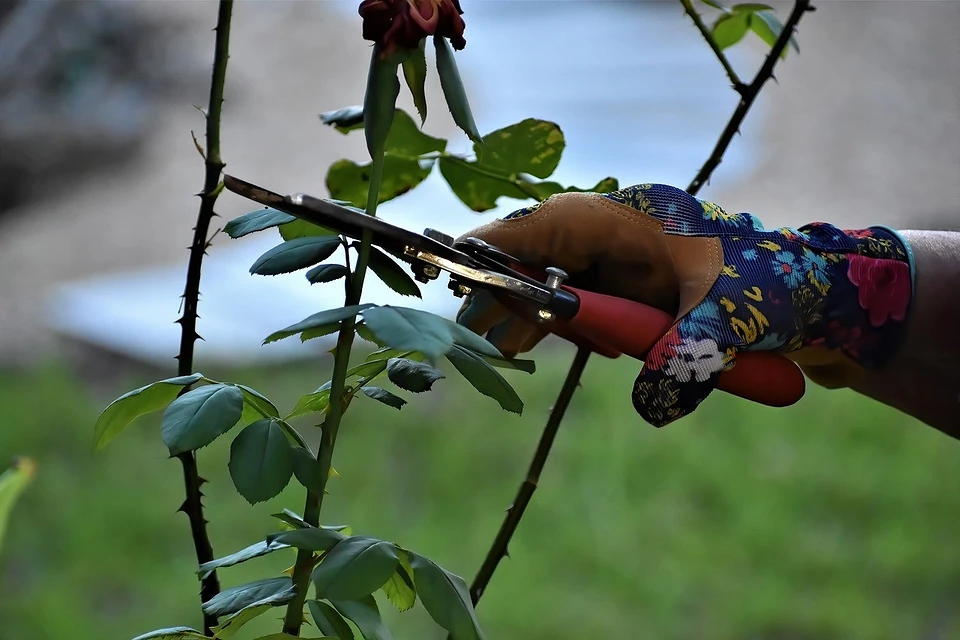
Pruning rose bushes begins in late August to early September. At this time, faded buds are removed. They shouldn’t remain on the branches—the plant will start to form seed pods, expending energy on their growth and ripening. For multi-flowered varieties, cut off all inflorescences above the first leaf. For large-flowered varieties, remove the stem with the flower and 2-3 leaves. At the same time, you can thin out the bush and collect material for cuttings.
Complete pruning of the shrub is carried out later, most often just before covering it for the winter. It is best to do this in cool weather, when the temperature at night has already dropped below zero, but severe frosts have not yet arrived. This is necessary to prevent the pruned plant from growing and producing new shoots. Otherwise, they will also have to be cut off so that the flower can overwinter normally. Different regions experience cold snaps at different times, so pruning indoor roses for winter is done accordingly. We have prepared a table with approximate pruning periods.
| Region | Approx. USDA Zones | Best Time (Month) | Pruning Intensity | Notes |
|---|---|---|---|---|
| Northeast (New England, NY, upper Midwest) | 3–6 | Late March – April (after thaw, before bud break) | Moderate to hard | Harsh winters: remove damaged canes; keep 3–5 strong ones. Don’t prune too early; late frosts can return. |
| Mid-Atlantic (PA, NJ, MD, northern VA) | 5–7 | March – early April | Moderate | Could you time it after the last frost risk? For hybrid teas — cut back to 3–5 buds per cane. |
| Southeast (GA, SC, southern NC, northern FL) | 7–9 | February – March (February in warmer spots) | Light to moderate | Watch for early growth; avoid pruning too early. In Florida, skip heavy fall pruning. |
| Gulf Coast (LA, southern TX) | 8–10 | February – March | Light to moderate | Mild winters and occasional cold snaps — minimal fall pruning, shape up in spring. |
| Midwest (OH, MI, southern WI, IL) | 3–6 | Late March – April | Moderate to hard | Remove winter damage; shape after frost danger passes. |
| Pacific Northwest (WA, OR) | 6–9 | February – March (before strong growth) | Moderate | In a cool, humid climate, open the center for airflow to prevent fungal diseases. |
| California Mediterranean (coastal CA, Bay Area, SoCal) | 8–10 | January – February (main prune) or February – March (for cooler areas) | Light to moderate | Warm, dry winters — prune earlier; some growers do a “major winter” and a “light spring” pruning. |
| Southwest (AZ, NM, inland southern CA) | 7–10 | January – February (before heat and new growth) | Light to moderate | Avoid heavy pruning too early; water well before the growing season. |
| Mountain regions (CO, WY, MT, higher elevations) | 2–5 | April – May (after snow melts and frost danger passes) | Moderate, careful | Late frosts are common — prune only live wood once growth starts. |
🌹 Additional Notes
Rose type matters more than zone:
Once-blooming (old garden, musk, species) roses → prune right after flowering.
Repeat-blooming (hybrid tea, floribunda, polyantha) → prune in early spring before strong growth.
In cold zones, first remove dead or winter-damaged canes; do shaping later, once you’re sure the frosts are over.
In warm zones (8–10), light winter pruning and a more vigorous spring pruning are best. Avoid heavy fall pruning.
Always sanitize tools between plants to prevent the spread of disease.
Important point. When choosing the exact dates, refer to the long-term weather forecast. Even in the same area, weather conditions can vary significantly from year to year. This must be taken into account.
Pruning times | Pixabay
Rules for performing the procedure
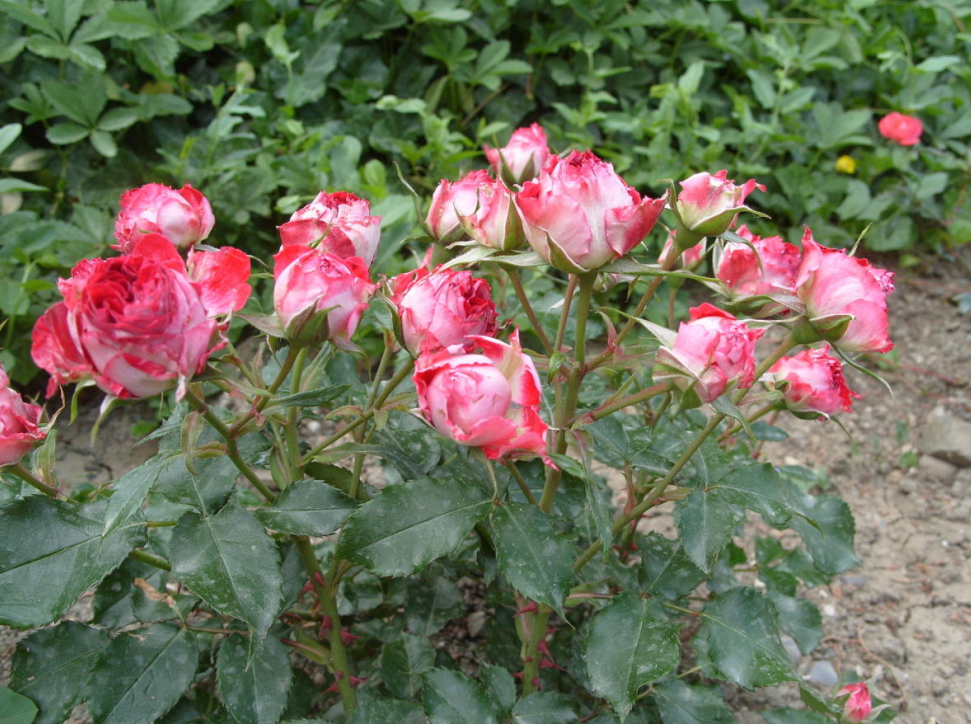
To ensure that the plant tolerates the procedure well, simple rules must be followed.
- Before starting work, sharpen the cutting parts of the tools.
- Be sure to disinfect the blades after each bush is treated. Alcohol or an alcohol-containing liquid, a pink solution of potassium permanganate, etc., can be used as an antiseptic.
- Cut with a precise, strong movement to ensure that the cut is even and smooth.
- Wounds larger than 0.2 inches (5 mm) in diameter should be treated with garden var or its equivalent. You can sprinkle them generously with crushed activated charcoal.
- The cut should be made at an angle, preferably 45˚. This will prevent moisture from remaining on the surface and the wood from rotting.
- Cut above the outer bud, 0.2 inches (5 mm) away from it.


What tools to prepare
You need to prepare the simplest tools for the job.
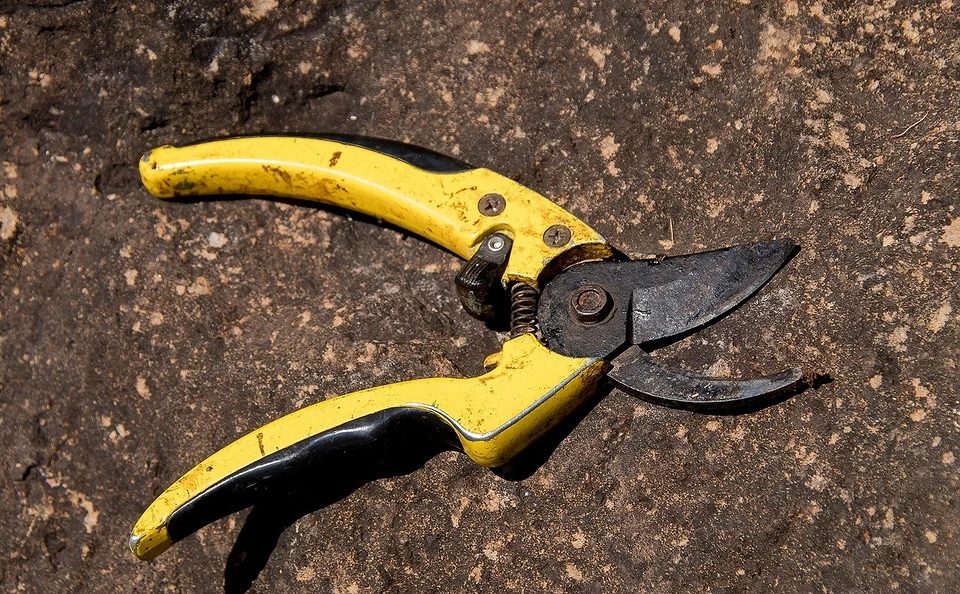
- Pruning shears with an anvil. This is a tool with a single blade and a stop plate. It is very convenient for removing dry branches.
- Curved pruning shears. Their blades are slightly offset from each other. When cutting, only the cut fragment of the shoot is deformed. Suitable for cutting live and dry branches.
- Garden saw or pruning saw. They are used to remove thick live branches.
Before starting work, it is advisable to wear thick gloves and thick clothing. This is necessary to protect yourself from sharp thorns.
What tools to prepare | Pixabay

Detailed technique for pruning roses in autumn for winter for beginners
The method of pruning rose bushes depends on their variety. For example, pruning a climbing rose in autumn will differ from pruning a polyanthus rose. However, there is a general scheme that applies to all plants. Let’s break it down step by step.
- Carefully examine the bush. Identify the five strongest, healthiest shoots that you want to keep.
- Cut off all old, dry, damaged, and soft branches. Remove any unripe shoots.
- Cut off any branches growing toward the center of the bush. Remove any leaves and flowers that have not fallen off.
- Shorten the remaining branches. Cut the bud located on the outside of the shoot. This will prevent the new branch from growing into the bush.
- Treat the cuts with any suitable compound.
This is a general outline; let’s look at the specifics of pruning different types of crops.
Climbing
Climbing varieties, also known as climbing varieties, need to be pruned regularly. It is essential to know that they only bloom on second-year shoots, so they cannot be pruned in the first year after planting. In September, diseased branches are cut from flowering shrubs, and those with flowers are shortened to three buds. Old branches are cut out, leaving stumps no higher than 11.8 inches (30 cm) from the root collar line. There are two types of climbing varieties, and their pruning is slightly different. Let’s take a look at the features of pruning climbing roses in the fall for the winter for beginners.
Ramblers
These are bushes with small flowers and flexible shoots. When the bush has finished flowering, cut off all branches with buds and pinch back young, unripe shoots. For single-flowering varieties, leave 6-10 of the most vigorous stems and branches. Leave three to five one-year-old branches and the same number of two-year-old branches. It is best to prune ramblers at the very beginning of autumn. Repeat-flowering varieties are formed in spring. During autumn pruning, leave one to three one-year-old shoots and three to seven two-year-old shoots on them.
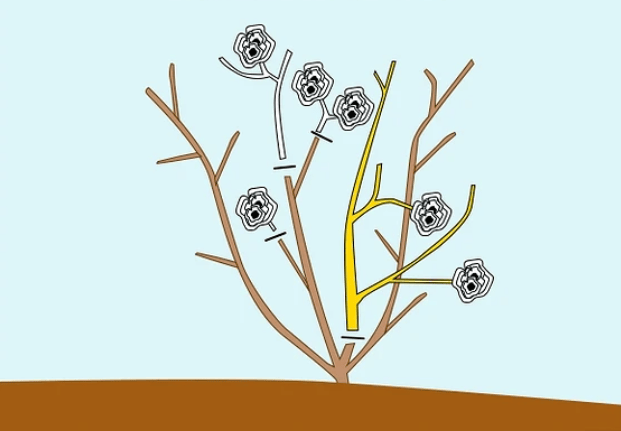
Pruning climbing roses (climbing roses)

Climbing roses, also known as climbers
These are hybrids of different varieties with ramblers. They have large flowers and thick branches. Climbing roses are considered repeat-flowering varieties and tolerate pruning quite well. Young bushes are tied to supports and allowed to grow stems. When the plant has grown enough branches of the desired length, it is pruned. The branches are cut by a third or even less, by a quarter. Of all the old shoots, the oldest is cut out. It is removed at the root.

Climbing roses, also known as climbers

Ground cover
This variety is distinguished by long, creeping stems that spread directly along the ground. Pruning ground cover roses in the fall in open ground involves removing old, damaged, and diseased branches. The remaining stems should be shortened slightly. Faded side branches are cut back to two or three buds. If there are intersecting stems in the middle of the bush, they must be removed.

Pruning ground cover roses

Polyanthus
These are highly branched but compact bushes with panicle inflorescences. Polyanthus varieties bloom until the cold weather sets in, so it is best to prune them in the spring. However, if the plant has many diseased or damaged branches, it is better to remove them before winter. Remove all branches that thicken the crown, leaving no more than seven or eight vigorous shoots. Shorten them by one third.
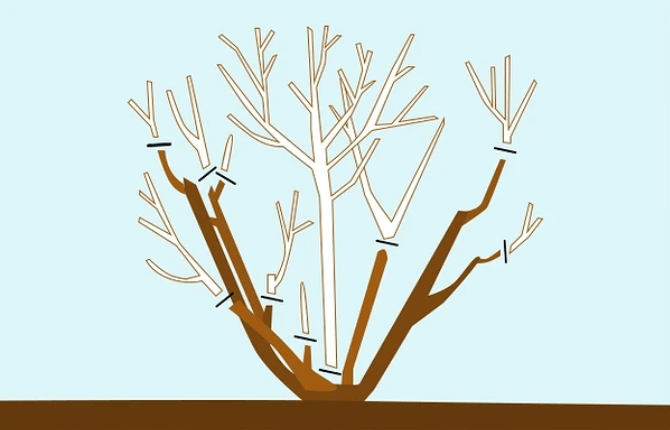
Pruning polyanthus roses

Shrubs
Most flower buds on shrub varieties, also known as shrubs, are located at the top of the stem. Therefore, they are considered versatile and can be used for both horizontal and vertical landscaping. When pruning a bush rose in the fall, all dried and weak branches are entirely removed. Three to five of the strongest branches are left, each with at least 6-8 well-developed buds. The remaining stems are shortened by 1/4 or 1/3.
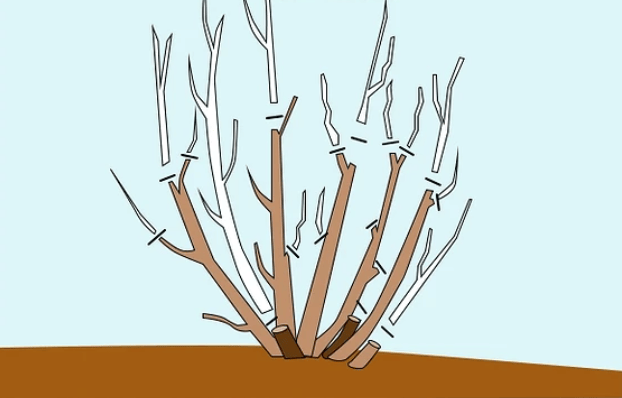
Pruning shrubs (bush roses)

Hybrid tea roses
They bloom on the shoots of the current year, so they are pruned very carefully. Most often, the bush is shaped into a ball. When pruning hybrid tea roses in the fall, remove diseased, dried, and old stems, and cut or shorten shoots growing inside the bush by at least half. Strong, thick branches are cut in half, while thin ones are shortened by one-third.

Pruning hybrid tea roses

Floribunda
This variety was obtained as a result of crossing polyanthus and tea hybrid roses. It is unpretentious, blooms for a long time, and very profusely. Pruning floribunda roses in the fall begins after the bush has completely bloomed. All inflorescences are removed from it, and all old branches inside the bush are cut out. The remaining shoots are cut in different ways. Thick, strong stems are cut in half so that at least three to five buds remain. Thinner stems are shortened by a third, leaving about a dozen buds.
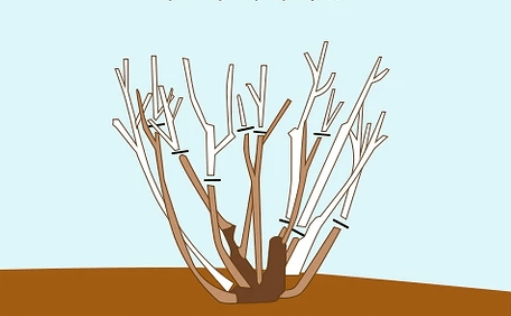
Pruning floribunda roses
Park roses
Park roses are pruned in the fall according to the general guidelines above; there are no special pruning requirements. The remaining branches and shoots are shortened to 27.56 inches (70 cm). The cut is made above the bud at a level of 0.2 inches (5 mm).
How to propagate roses in autumn after pruning
If you plan to propagate varieties, you can prepare cuttings during the pruning process. Here’s how to do it.
- Select fully mature, healthy shoots with a diameter of 0.2 inches (4-5 mm).
- Cut them into cuttings with a sharp, disinfected knife or pruning shears. Important: Each cutting should have at least three to five healthy buds.
- Make the lower cut below the lower bud and the upper cut 1-1.2 inches (2.5-3 cm) above the bud.
- Make the lower cut at an angle and the upper cut straight. This will help you plant the cutting correctly.
- Remove all the lower leaves from the cutting, leaving a few upper leaves. They will provide the seedling with nutrients.
The cutting is ready for rooting.

How to propagate roses in autumn after pruning |
Pixabay
Caring for roses in autumn after pruning and preparing them for winter
After pruning roses in autumn, prepare them for winter and cover the bushes. Remove all leaves that have not fallen from the plants and prepare shelters. Long shoots are folded and laid on a foam or board base; short branches do not need to be folded. A shelter is installed, preferably a rigid frame covered with a waterproof sheet. Could you be sure to leave holes for ventilation.
❓ Questions and answers

Should I prune all types of rose bushes the same way in autumn?
No — pruning techniques vary by rose type. For example, climbing roses and ramblers bloom on older wood and need more conservative pruning, while hybrid teas and floribundas bloom on current year’s growth and can be pruned more aggressively. Always identify your rose type and follow the guidelines specific to that kind.
What tools and techniques should I use when pruning to avoid damaging my rose plants?
Use sharp, clean tools (pruning shears, curving saw for thick branches) and disinfect blades between bushes to prevent disease spread. Make cuts at a 45° angle just above an outward-facing bud. If the wound is large, about 0.5 inches or more (about 5 mm or more), treat it with garden-var or a suitable wound dressing. This helps prevent rot or fungal issues during the winter.
Does pruning in autumn affect how my roses perform next spring and summer?
Yes. Removing old, weak, or diseased canes in the fall allows the plant to allocate energy more effectively and promotes healthier new growth next season. It also improves air circulation within the bush, reducing disease risk. Done correctly, fall pruning can lead to stronger plants and better blooms in the next year.
In southern U.S. climates (Zones 8-10), is heavy autumn pruning still recommended?
In warmer southern zones, heavy fall pruning can stimulate new shoots that may get damaged by unexpected cold snaps. Instead, a lighter pruning approach is safer: remove dead or damaged wood, shape lightly, and defer major shaping to late winter or early spring when the plant begins active growth.
Sofia Lorenson: An expert in floriculture and floristry with 10 years of experience. I will help you create the garden of your dreams, which will bloom from spring to fall.



9 Responses
[…] In summer, rose cuttings are taken in June or July, and in autumn, in October or November, when pruning is carried out. Home roses can be propagated by cuttings all year round, but flowers from a bouquet are best […]
[…] Pruning roses in autumn: timing, diagrams for seven different types, rules, and tips […]
[…] Pruning roses in autumn: timing, diagrams for seven different types, rules, and tips […]
[…] Pruning roses in autumn: timing, diagrams for seven different types, rules, and tips […]
[…] Pruning roses in autumn: timing, diagrams for seven different types, rules, and tips […]
[…] Pruning roses in autumn: timing, diagrams for seven different types, rules, and tips […]
[…] Pruning roses in autumn: timing, diagrams for seven different types, rules, and tips […]
[…] Pruning roses in autumn: timing, diagrams for seven different types, rules, and tips […]
[…] Pruning roses in autumn: timing, diagrams for seven different types, rules, and tips […]