
5 ready-made soil recipes for different indoor plants
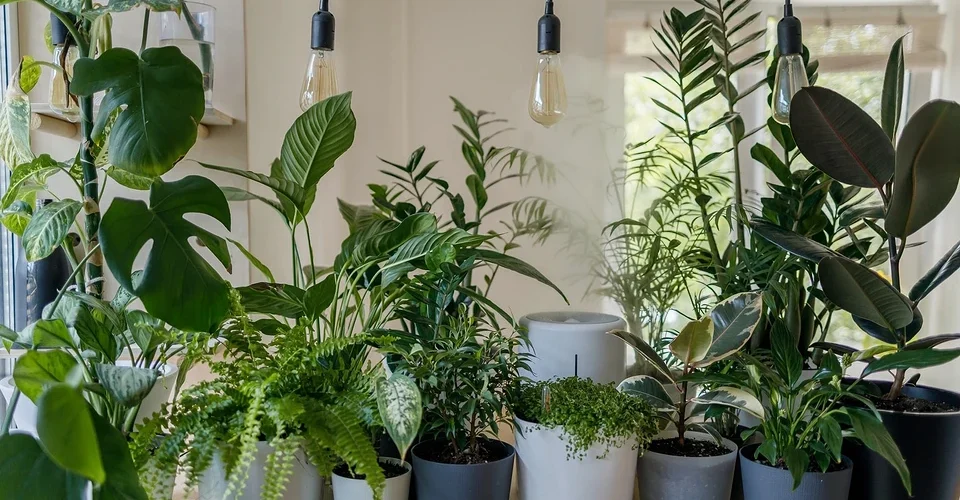
We assemble a suitable substrate for various indoor plants from basic components.
It is not cost-effective for owners of various indoor plants to buy bags of ready-made soil for each plant. It is easier to purchase the basic components — peat, sand, leaf and turf soil, and humus — and mix them in different proportions. Components purchased from a flower shop can be mixed immediately, while those collected independently must be disinfected. Biopreparations, freezing, or heating are used for disinfection. Details are provided further in the article.
1. Soil for aloe, begonia, and cyclamen
For indoor plants whose roots are close to the surface, light soil is needed. It allows air to pass through and does not weigh down the shoots, allowing them to grow in the right direction. Therefore, this same substrate is suitable for growing seedlings in the spring. Delicate sprouts will find it easier to break through soil that is not too dense.
Prepare and mix the following components for these plants.
- 3 parts peat. When buying, make sure the peat is soft and crumbly.
- 1 part each of humus, sand, and leaf mold.

Soil for aloe, begonia, and cyclamen | Pexels

2. Soil for palms and dracaena
For large houseplants with robust, deep root systems and tall above-ground parts, use heavy soil.
To prepare such a mixture, you will need the following elements.
- 5 parts turf soil.
- 1 part coarse sand and 1 part humus. Coarse sand cannot be replaced with fine sand, even in larger quantities, because the former allows air and water to pass through better. Without these large particles, water will stagnate at the soil surface, and the roots will not receive enough oxygen.

Soil for palms and dracaena | Pexels

3. Soil for azaleas and hydrangeas
Azaleas and hydrangeas thrive in medium to heavy, acidic soil. The acidity level is often increased by adding coniferous additives. The additive is added in small portions, and the acidity is checked with litmus paper.
To create such a mixture, use the following proportions.
- Two parts turf soil and humus.
- One part sand and peat. Fine and medium sand is suitable for small plants.
The coniferous additive for the soil is prepared in advance. Collect the top layer of soil from the garden along with pine needles, then compost them with sand and peat. When the decomposition process is complete, this additive can be mixed into the main soil.
-

- Soil for azaleas and hydrangeas | Instagram@_flower_collection_


4. Soil for cacti
For desert species
Ariocarpus, Astrophytum, Aztekium, Gymnocalycium — desert cactus varieties. For them, mix one part peat, coarse sand, leaf mold, and turf soil. For soil for cacti with large spines, add a little lime to give the plant something to form new spines from.
-

- For desert species | Instagram @tchungurova

For tropical species
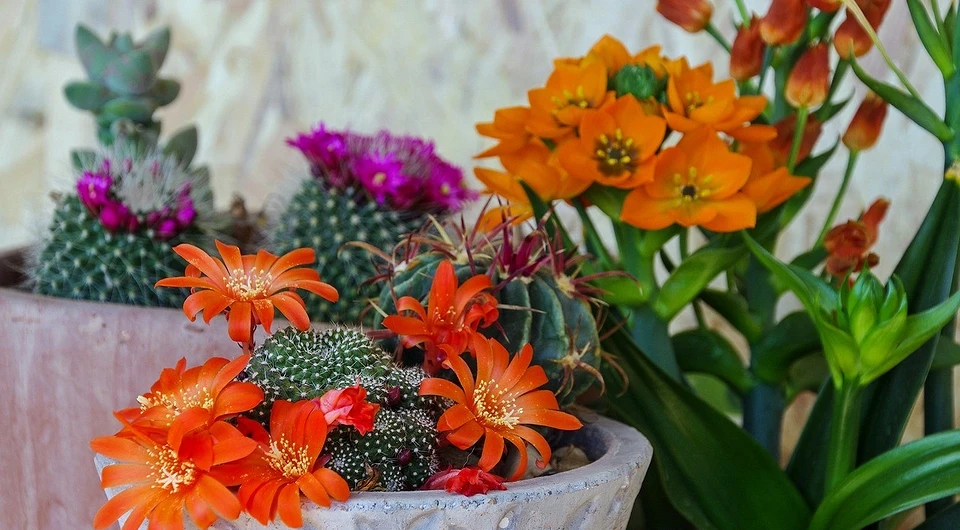
Tropical cactus species include Schlumbergera, Epiphyllum, and Ripsalidopsis. They need slightly more nutritious soil, so the soil recipe is different.
- 2 parts turf soil.
- 1 part each of peat, coarse sand, humus, and leaf mold.
-

- For tropical species | Instagram @ek_fialki

5. Soil for monsteras and other tropical plants
Monstera is a tropical plant, and its soil is suitable for other tropical plants of the same species, including philodendron, alocasia, caladium, aglaonema, and sansevieria. Mix the following ingredients for them.
- 1 part humus, coarse sand, and peat.
- 2 parts turf soil.
- If you have some bark and charcoal, you can add them to the soil as well. They will provide the plant with additional nutrients and improve moisture permeability.

Soil for monsteras and other tropical plants | Unsplash
❓ Questions and answers

What are the basic components I’ll need to mix these soils?
According to the article, you’ll need items like peat, humus, turf soil, coarse sand, and leaf mold — all of which you can buy or collect (but if you collect, make sure to disinfect via freezing or heating).
How do I disinfect soil components I’ve collected myself?
The article recommends using biopreparations, freezing, or heating to clean collected soil components before mixing.
Can I add extra ingredients to improve drainage or nutrition?
Yes — for tropical plants like monsteras, you can optionally add bark and charcoal to increase aeration and nutrient retention.
How often should I repot using these soil recipes?
While the article doesn’t specify exact timing, it’s good practice to repot when your plant becomes root-bound, or every 1–2 years, using these custom mixes to match your plants’ changing needs.
Sofia Lorenson: An expert in floriculture and floristry with 10 years of experience. I will help you create the garden of your dreams, which will bloom from spring to fall.


