
Choosing the perfect plant pot: 8 important tips and anti-trends that will ruin your interior design

A combination of textures, recycled plastic, and the right size—we share information on how to choose the right planter for your indoor plant.
When choosing a planter, focus on the interior’s overall color scheme, taking the plant’s size and color into account. We will talk about these and other tips below.
1. Choose large pots for large plants
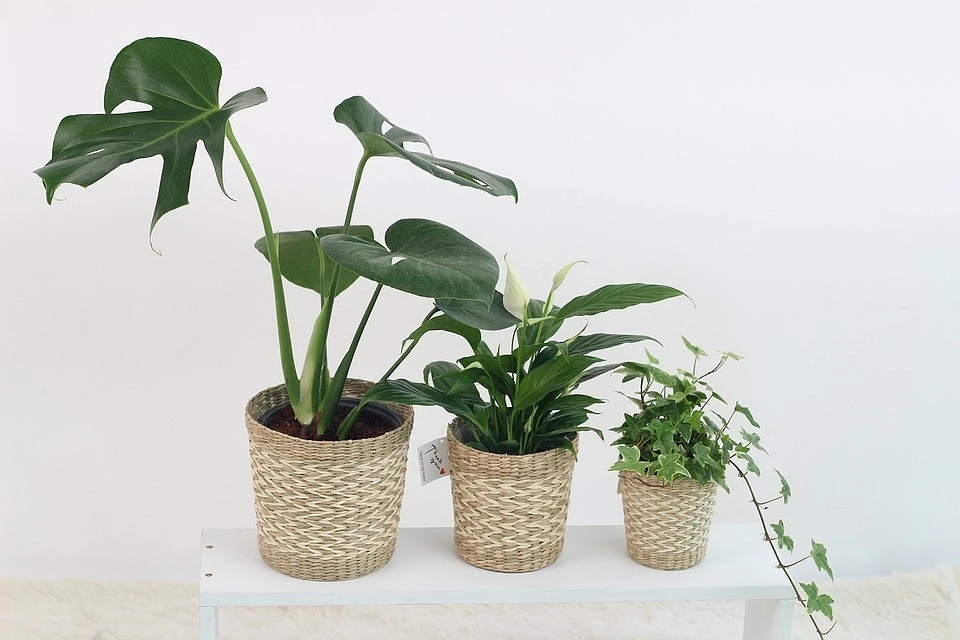
There is no standard rule in this matter. You need to choose a pot depending on what kind of flowers you like: large or compact. The correct size of the pot is approximately equal to the “crown” of the plant that lives in it. Please don’t be stingy and choose pots that are too small, as the plant will be uncomfortable growing in them, and such a combination looks ridiculous.

2. Pay attention to clay, not plastic
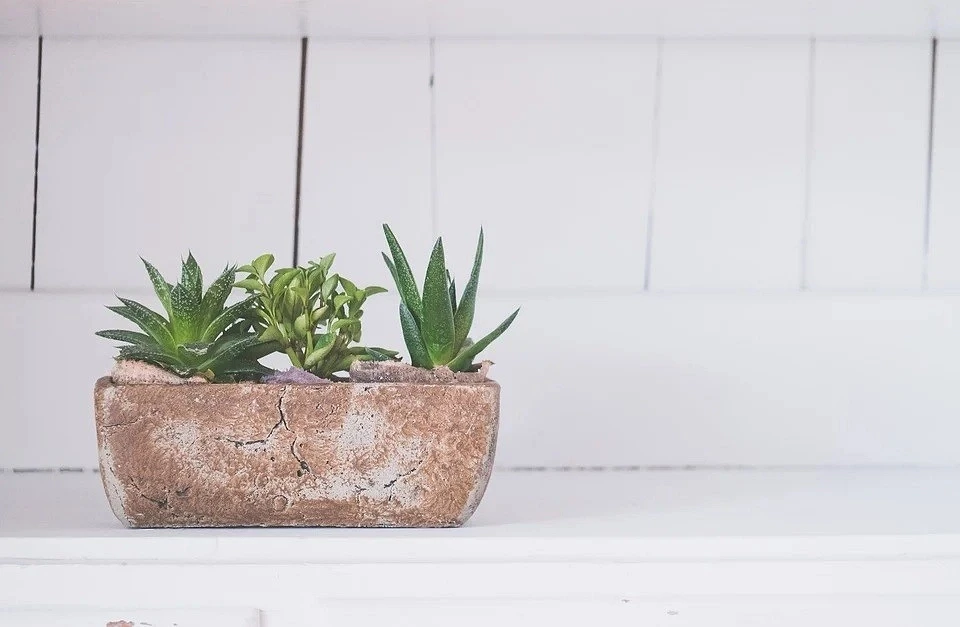
The trend toward eco-friendliness has not bypassed plant accessories. In this case, the choice is determined not only by fashion but also by the surrounding environment: natural materials look better next to living greenery than synthetic ones. If conditions allow (no pets or children), you can choose clay pots, for example. They look very natural, but are pretty fragile.
3. Choose one large planter rather than many small ones
If you don’t know how best to incorporate plants into your interior, follow this advice: in a small apartment, it is better to place one medium-sized planter. This looks more attractive than lots of small pots scattered across shelves and windowsills. The second option “eats up” space even in a minimalist interior.
4. Match the plant and pot by color
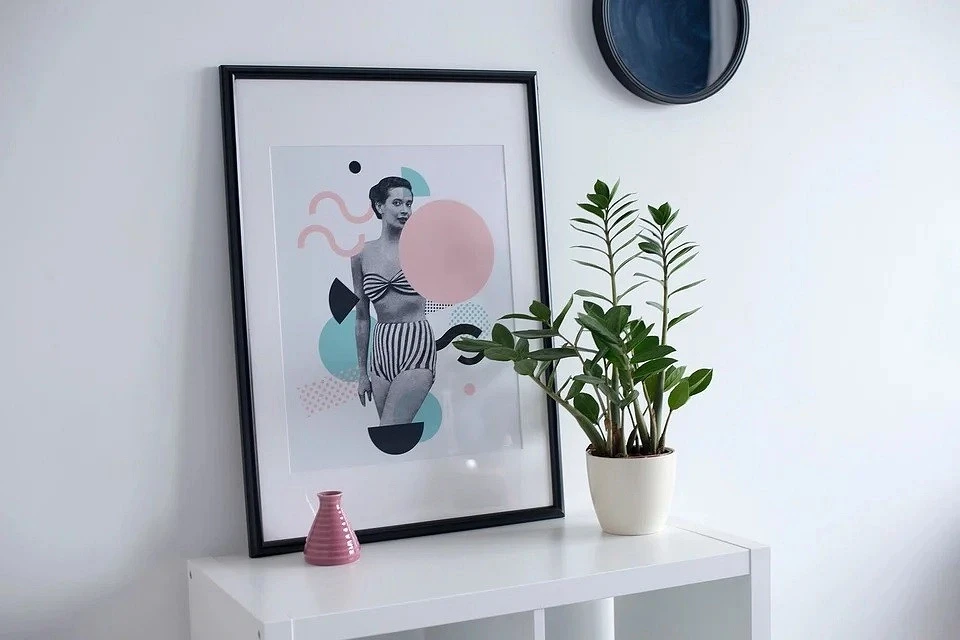
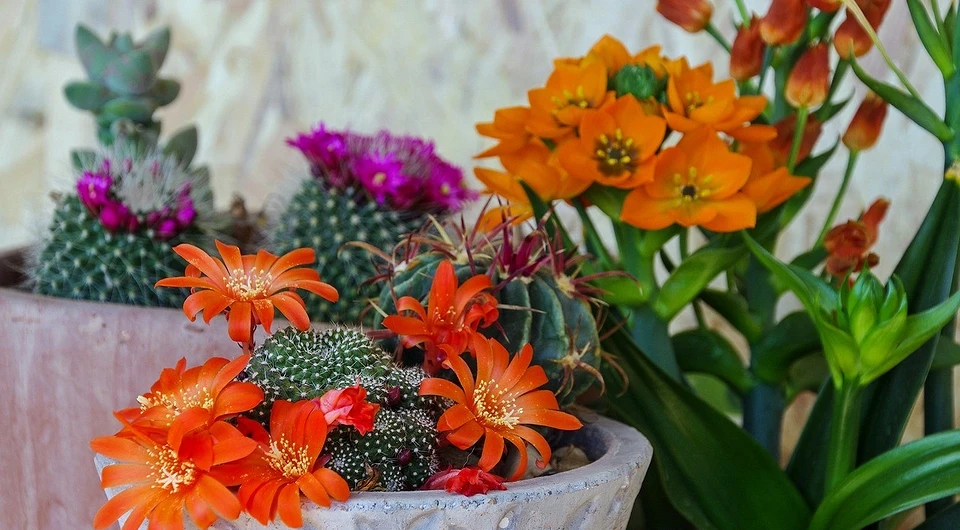
This does not mean that all the planters in your home must be green. You need to match the plant’s color palette to the pot’s color intensity. For example, if the plant has bright flowers or variegated leaves, you can choose a brighter pot. Meanwhile, a minimalist plant without flowers will look better in a similarly simple pot.
5. Determine the role of plants in the interior
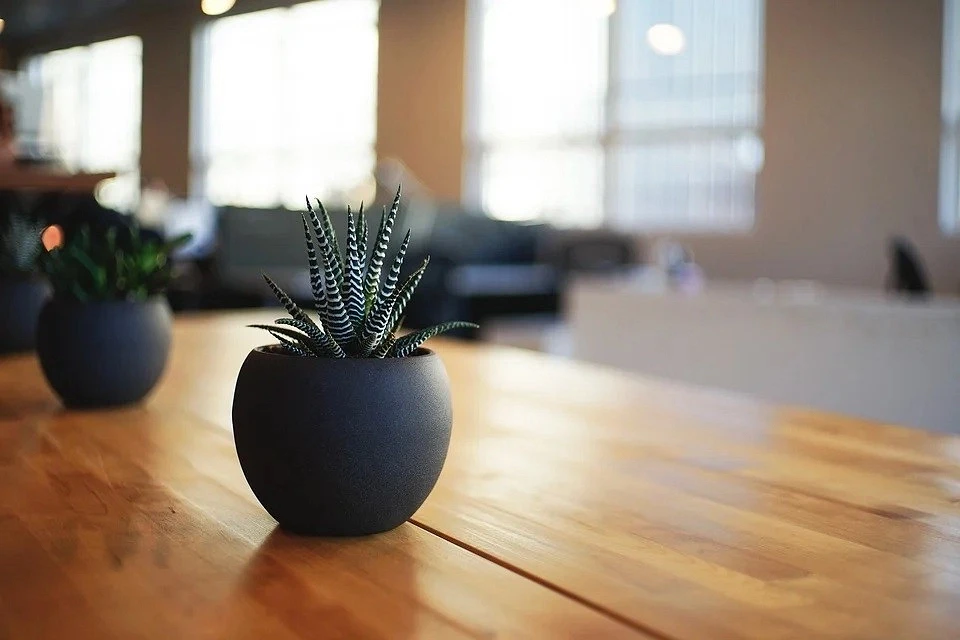
First of all, will the plants complement the existing interior or serve as the main accent? In the first case, you can choose a pot with a neutral color and a simple shape. If you plan to make the flower the central composition in the interior, choose more complex pot shapes and unusual plant varieties.


6. Choose planters that match your interior style
Unusual shapes and colors of planters are currently at the peak of popularity. If your interior has a distinctive design, try matching it with, for example, Memphis- or avant-garde-style planters. In minimalist interiors, planters with a natural texture, such as concrete planters, will look impressive. However, if the space is decorated in a classic style, it is better not to experiment; use classic pots—they will fit in perfectly.

7. Combine textures: ceramics, concrete, glass
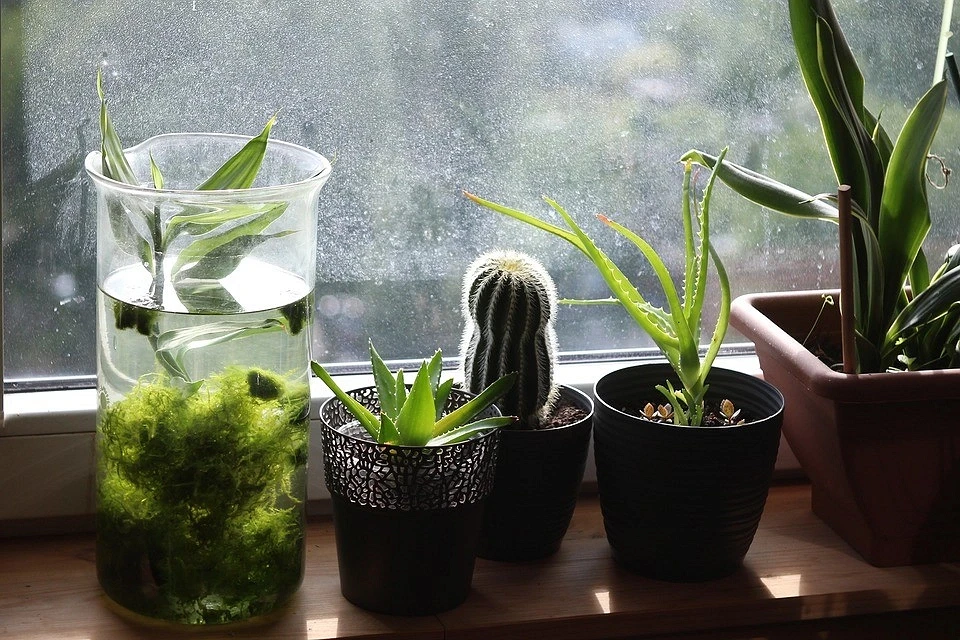
They look stylish and fresh together on the same windowsill. Don’t put identical pots together, hoping to achieve a harmonious combination. It is better to focus on a unifying motif, such as natural textures or a single plant type. The green color of the leaves will serve as a connecting element, bringing together different materials.

8. Choose eco-friendly plastic pots
Eco-friendliness is a trend that applies not only to appearance but also to production. If you prefer plastic pots for practicality and versatility, it is worth opting for recycled material — it is better for the environment.
Bonus: what to avoid
Mixing different styles, shades, and textures doesn’t always look cool. To avoid creating visual noise and a cluttered feel, check out examples of admirable combos and general rules for matching. It’s also worth avoiding the solutions listed below.
- Complex decorations on planters, such as monograms, look excessive and rarely fit well into the interior.
- “Disposable” pots made of thin, inexpensive plastic look too cheap and simplify the interior.
- Acidic shades are only suitable for planters in pop art-style interiors. Too bright colors do not always look appropriate. Plus, pots should be made of high-quality, expensive materials; otherwise, they will look cheap.
-

- Choosing the perfect plant pot | instagram @homechoice_decor


❓ Questions and answers

How do I pick the right size pot for my plant?
Choose a pot that matches your plant’s root system. If it’s too small, roots get cramped; too big, and the soil retains too much water.
What materials should I consider when choosing a pot?
There are trade-offs: terracotta is breathable but dries fast, plastic retains moisture, and ceramic looks excellent but is heavy.
Can I use any decorative pot even if it has no drainage?
Yes — but only if you use a nursery pot with drainage inside the decorative one (a cachepot setup). That way, you get style + function.
How often should I repot my plants?
Repot when roots start filling up the pot. Don’t go too big—just enough room for growth —and repot during the growing season for best results.
Sofia Lorenson: An expert in floriculture and floristry with 10 years of experience. I will help you create the garden of your dreams, which will bloom from spring to fall.


